Planificar un proyecto de vivienda contenedor puede ser complejo. Pequeños descuidos suelen ocasionar retrasos costosos. Conocer estas lecciones clave de antemano garantiza que su proyecto se desarrolle sin problemas y se mantenga dentro del presupuesto.
Antes de construir, los compradores deben saber que el uso del proyecto determina el producto, las normas locales son vitales y la distribución es más importante que la estética. También deben considerar los costos ocultos de transporte, las necesidades de instalación,aislamiento específico para cada clima,costos de materiales a largo plazo, riesgos de personalización, fiabilidad de los proveedores y por qué el presupuesto más barato no siempre es el mejor.
A lo largo de los años, he hablado con cientos de compradores. Muchos llegan entusiasmados con una foto que vieron en internet, listos para comprar ese modelo en concreto. Pero he aprendido que un proyecto exitoso va mucho más allá de un diseño atractivo. Se trata de cuidar los detalles desde el principio. Analicemos cada uno de estos diez puntos para que puedas tomar decisiones informadas y evitar los errores que muchos otros han cometido.
¿El uso previsto define realmente la vivienda contenedor que necesitas?
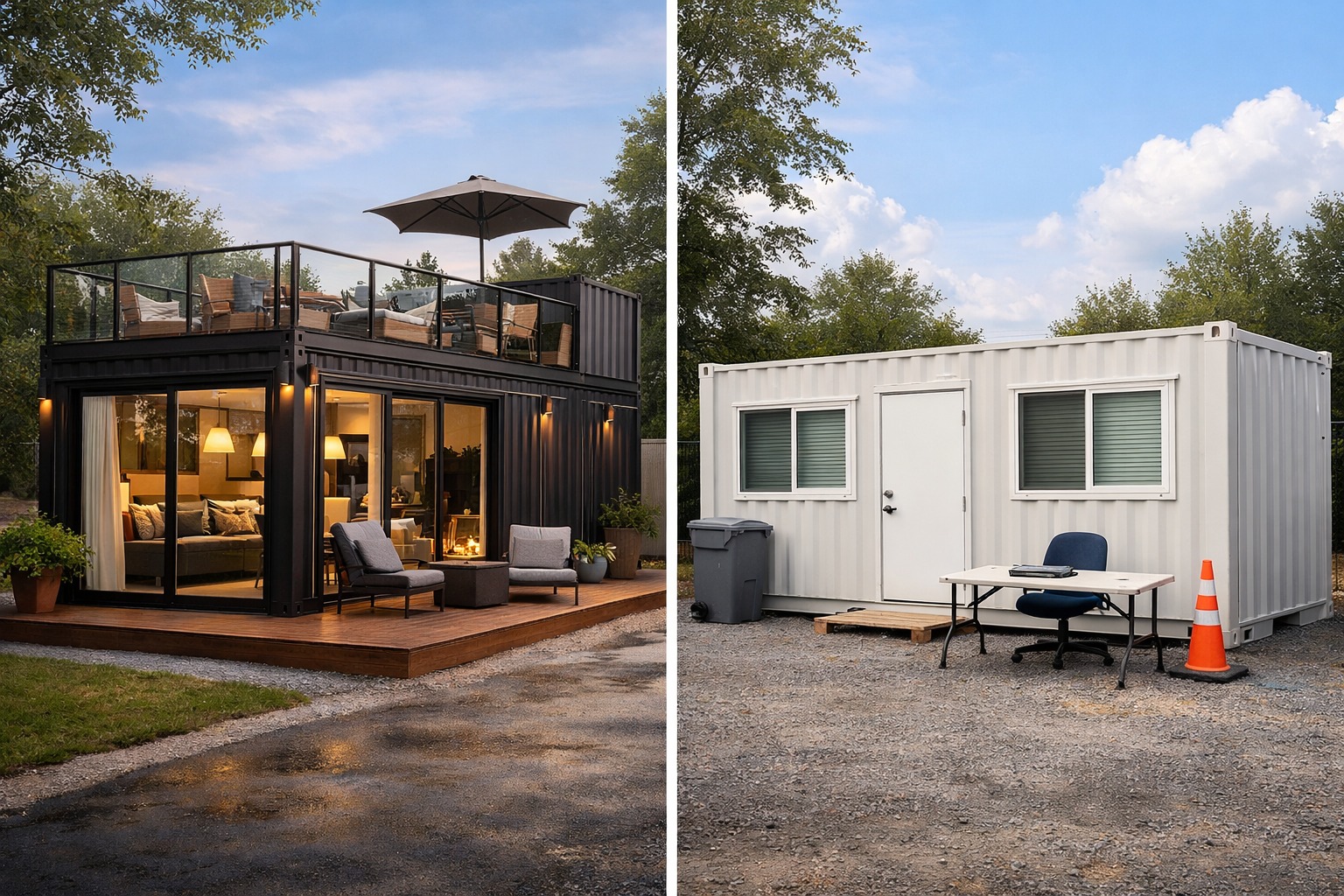
¿Has visto una casa contenedor original en internet y te gustaría tener una para tu proyecto? La realidad es que una cabaña de resort tiene necesidades diferentes a las de una tienda efímera. Elegir mal supone un desperdicio de dinero.
Sí, por supuesto. El propósito de su proyecto —ya sea un complejo turístico, una oficina o una cafetería— determina la estructura, los materiales y la distribución necesarios. Un enfoque genérico rara vez funciona. Debe adaptar el producto al caso de uso específico para garantizar su funcionalidad y éxito a largo plazo.
Es fácil obsesionarse con una foto y un precio. Pero la pregunta más importante que les hago a los nuevos clientes es: "¿Para qué lo usarán?". La respuesta lo cambia todo. Una unidad destinada a un camping de lujo en la montaña requiere un enfoque completamente diferente al de una oficina de ventas temporal en una obra. La primera exige un aislamiento de primera calidad, acabados interiores de alta gama y accesorios duraderos para impresionar a los huéspedes y resistir las inclemencias del tiempo. La segunda prioriza la rentabilidad, la funcionalidad sencilla y la facilidad de traslado.
Adaptar el producto al propósito.
Una vez tuve un cliente que quería construir un complejo de glamping de lujo. Me mostró una foto de una unidad de contenedor muy básica y económica y me dijo: "Quiero diez de estas". Tuve que explicarle que, si bien el precio era atractivo, sus huéspedes pasarían frío, el interior se deterioraría rápidamente y las reseñas serían pésimas. Trabajamos juntos para desarrollar un nuevo plan con mejor aislamiento, ventanas más grandes para disfrutar de las vistas y baños más lujosos. El costo inicial fue mayor, pero el retorno de la inversión a largo plazo fue mucho mayor.
Cómo los casos de uso impactan el diseño
| Tipo de proyecto | Enfoque principal | Características recomendadas |
|---|
| Cabaña de lujo en un complejo turístico | Experiencia del huésped, durabilidad | Aislamiento de alto valor R, acabados interiores de primera calidad, ventanas grandes, fontanería robusta. |
| Oficina temporal | Funcionalidad, rentabilidad | Aislamiento estándar, diseño práctico, puertos eléctricos y de datos básicos. |
| Tienda minorista temporal | Atractivo visual, movilidad | Diseño exterior único, grandes fachadas de cristal, interior flexible, fácil montaje y desmontaje. |
¿Pueden las regulaciones locales realmente detener tu proyecto de casa contenedor?
Has encontrado la casa contenedor perfecta y estás listo para hacer el pedido. Pero, ¿qué pasa si tu ayuntamiento se niega? Ignorar las normas puede paralizar tu proyecto antes incluso de que empiece.
Sí, es posible. Las normativas locales sobre permisos, zonificación, fontanería, electricidad y seguridad contra incendios son innegociables. Debe confirmar estos requisitos con las autoridades locales antes de realizar un pedido para evitar comprar una estructura que no pueda usar o instalar legalmente.
Este es uno de los pasos más importantes y a menudo ignorados. Cada país, estado e incluso ciudad tiene sus propias normas. No se puede dar por sentado que un producto aceptable en un lugar lo será en el otro. Siempre recomiendo a mis clientes que, en su primera llamada, no se comuniquen con un proveedor, sino con el departamento de planificación o construcción local. Averigüen exactamente qué se requiere para obtener un permiso para una estructura modular o prefabricada en su propiedad. Esta conversación debe tener lugar antes de profundizar demasiado en el diseño o el presupuesto.
Qué consultar con su autoridad local
Un comprador de California se puso en contacto con nosotros para realizar un pedido grande. Por suerte, durante nuestras primeras conversaciones, le pregunté si había consultado la normativa local contra incendios. Resultó que su zona era de alto riesgo de incendios forestales, lo que requería un revestimiento exterior no combustible específico y ventilaciones especiales. El modelo estándar que quería no habría estado homologado. Tuvimos que cambiar el material exterior por un revestimiento de fibrocemento, lo que aumentó el coste, pero hizo posible el proyecto. Si hubiera hecho el pedido primero y consultado después, se habría quedado con unidades inservibles.
Áreas regulatorias clave para investigar
- Zonificación: ¿Está permitida la construcción de una vivienda unifamiliar o una estructura comercial en su terreno?
- Permisos de construcción: ¿Qué planos y certificaciones de ingeniería se necesitan?
- Conexiones de servicios públicos: ¿Cuáles son las normas locales para las conexiones de electricidad, agua y alcantarillado?
- Requisitos de cimentación: ¿Qué tipo de cimentación es obligatoria (por ejemplo, losa, pilares)?
- Seguridad contra incendios: ¿Existen normas específicas sobre materiales, ventanas o accesos?
¿Es más importante la distribución interior que el diseño exterior atractivo?
A todos nos encantan las casas contenedor con un diseño exterior espectacular. Sin embargo, una mala distribución puede dificultar la vida y el trabajo. No sacrifiques la comodidad diaria por la estética.
Sin duda. Si bien un exterior llamativo atrae la atención, la distribución interior determina la experiencia diaria del usuario. Un flujo bien planificado, una distribución inteligente del espacio y una ubicación funcional del mobiliario y las instalaciones son lo que hacen que un espacio sea realmente habitable y eficiente. Un flujo deficiente puede arruinar un diseño que, de otro modo, sería hermoso.
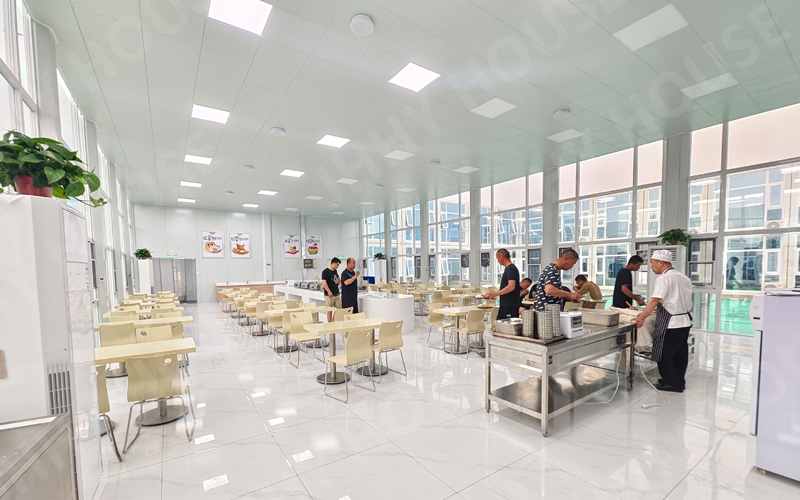
He visto muchísimos diseños que se ven fantásticos en las imágenes, pero que serían una pesadilla en la práctica. La fluidez de un espacio —cómo te mueves de una zona a otra— lo es todo. ¿La puerta del baño da al salón? ¿La cocina es tan estrecha que no puedes abrir el horno y un armario a la vez? Estos son los detalles que importan en el día a día. Una casa preciosa con una mala distribución es como un coche deportivo con un volante pésimo. Se ve genial, pero no disfrutarás del viaje.
La importancia del 'flujo'
Una vez trabajamos con un cliente en el diseño de una pequeña cabaña de vacaciones. Su diseño inicial tenía una hermosa ventana grande en un extremo. Sin embargo, para ir de la cama al baño, había que pasar por la diminuta cocina. Propusimos un pequeño cambio: trasladar el baño junto al dormitorio y mover la cocina a un lado. Esto creó un pasillo despejado y logró que todo el espacio se sintiera más lógico y espacioso, aunque la superficie era la misma. Son pequeños ajustes como estos los que transforman un espacio incómodo en uno confortable.
Diseño bueno vs. diseño malo
| Característica | Buen diseño | Diseño deficiente |
|---|
| Cocina | Triángulo de trabajo eficiente (fregadero, cocina, nevera). | Los electrodomésticos están muy separados; no hay suficiente espacio en la encimera. |
| Dormitorio | Espacio para caminar alrededor de la cama; el armario es accesible. | La cama bloquea una ventana; la puerta choca con la cama al abrirse. |
| Sala de estar | Camino despejado para el tránsito peatonal; el mobiliario encaja perfectamente. | El pasillo atraviesa la zona de conversación; da sensación de estrechez. |
| Baño | La puerta se abre de forma que no quede a la vista principal. | La puerta da directamente a la cocina o al salón. |
¿Estás olvidando los costos ocultos del envío de tu casa contenedor?
Conseguiste un precio excelente para tu casa prefabricada tipo contenedor. Pero, ¿has tenido en cuenta el envío? Estos gastos, a menudo ignorados, pueden duplicar fácilmente tu presupuesto inicial y provocarte una desagradable sorpresa más adelante.
Sí, muchos compradores lo hacen. El costo total no se limita al precio unitario. Incluye el flete marítimo, el despacho de aduanas, el transporte terrestre desde el puerto y los servicios de grúa en el sitio para la descarga. Subestimar estos costos puede afectar seriamente el presupuesto de su proyecto. Solicite siempre un presupuesto logístico completo.
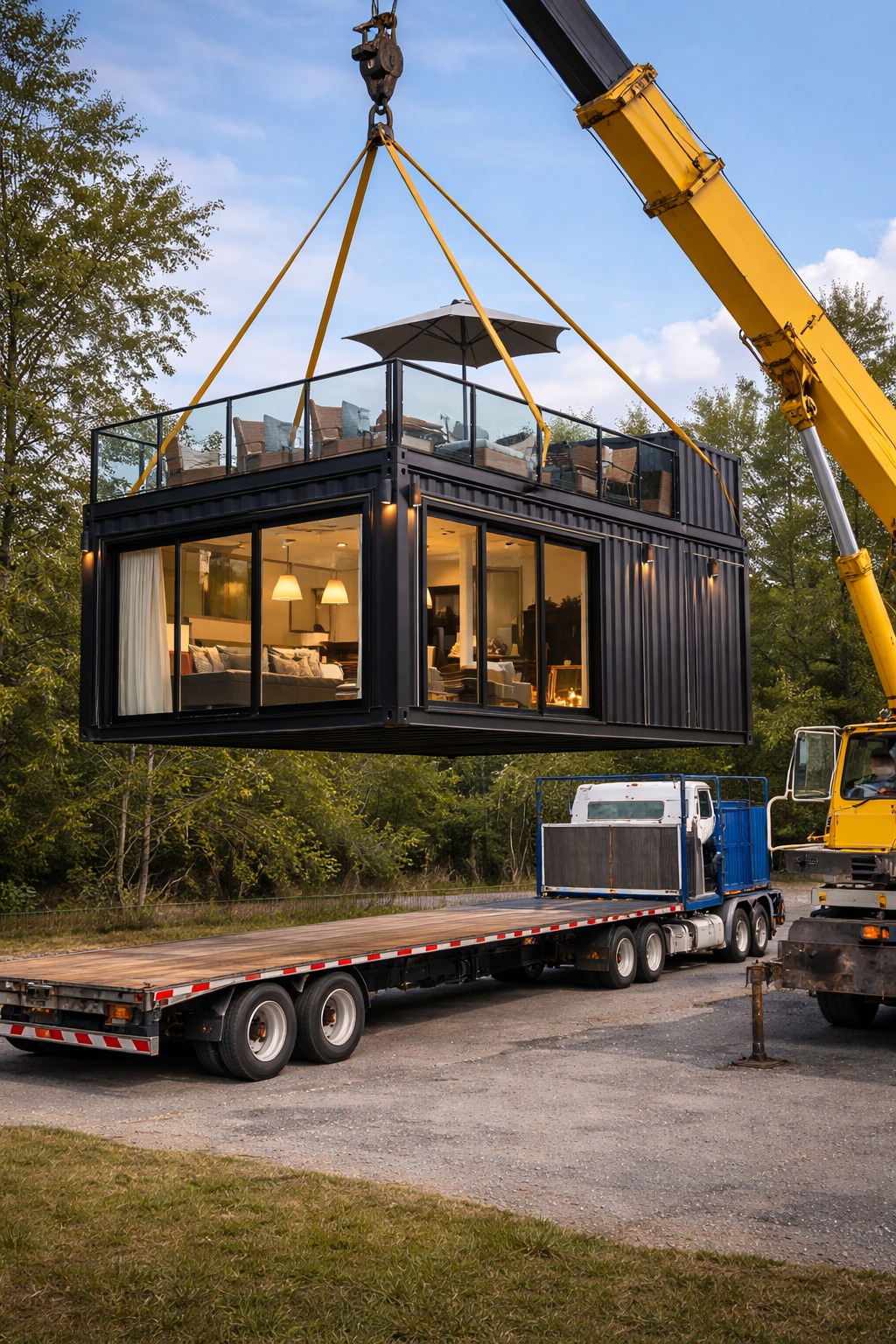
Esto suele sorprender a quienes compran por primera vez en el extranjero. Reciben un presupuesto del producto (precio EXW o FOB) y creen que ese es el principal gasto. Sin embargo, transportar una unidad modular grande desde nuestra fábrica en China hasta un emplazamiento remoto en otro país implica varios pasos costosos. Imagínelo como un viaje con múltiples etapas, y cada etapa tiene un precio. No se trata solo del largo viaje en barco a través del océano, sino también del transporte en camión desde el puerto hasta su ciudad y la grúa que necesita contratar para descargar la unidad del camión y colocarla sobre sus cimientos.
Desde nuestra fábrica hasta su emplazamiento
Siempre procuro ser muy claro con mis clientes al respecto. El precio del producto es solo el comienzo. Podemos ayudarle a estimar los demás costos para que tenga un presupuesto realista. Un comprador de un camping en Australia se sorprendió al descubrir que el costo del transporte terrestre desde Sídney era casi tan elevado como el del transporte marítimo. Su camping se encontraba en una zona remota con difícil acceso por carretera, lo que requería un camión especializado. Colaboramos con su agente logístico local para resolver este problema con antelación, de modo que estuviera contemplado en su presupuesto en lugar de convertirse en una crisis.
Ejemplo de desglose de costos logísticos
| Componente de costo | Descripción | ¿Quién es el responsable? |
|---|
| Transporte marítimo | Transporte marítimo desde el puerto de origen hasta el puerto de destino. | Comprador (o podemos gestionarlo nosotros) |
| Seguro | Cubre los daños ocurridos durante el transporte. | Comprador (altamente recomendado) |
| Aduanas/Aranceles | Impuestos y tasas impuestos por el país de destino. | Comprador / Agente inmobiliario local |
| Tasas portuarias | Cargos por manipulación en el puerto de destino. | Comprador / Agente inmobiliario local |
| Transporte terrestre | Transporte desde el puerto hasta su destino final. | Comprador |
| Servicio de grúa | Elevar la unidad desde el camión hasta la base. | Comprador |
¿Por qué debería comprobar primero las condiciones de instalación de su sitio web?
Su nueva unidad ha llegado. Pero la grúa no puede llegar al lugar o los cimientos no están listos. Una mala preparación del terreno provoca grandes retrasos y costes laborales inesperados.
Verificar las condiciones de instalación con anticipación previene problemas importantes en el sitio. Es necesario confirmar la accesibilidad del sitio para camiones y grúas, preparar una base adecuada y contar con mano de obra calificada y herramientas. Ignorar esto puede convertir una instalación sencilla en un proceso costoso y complicado.
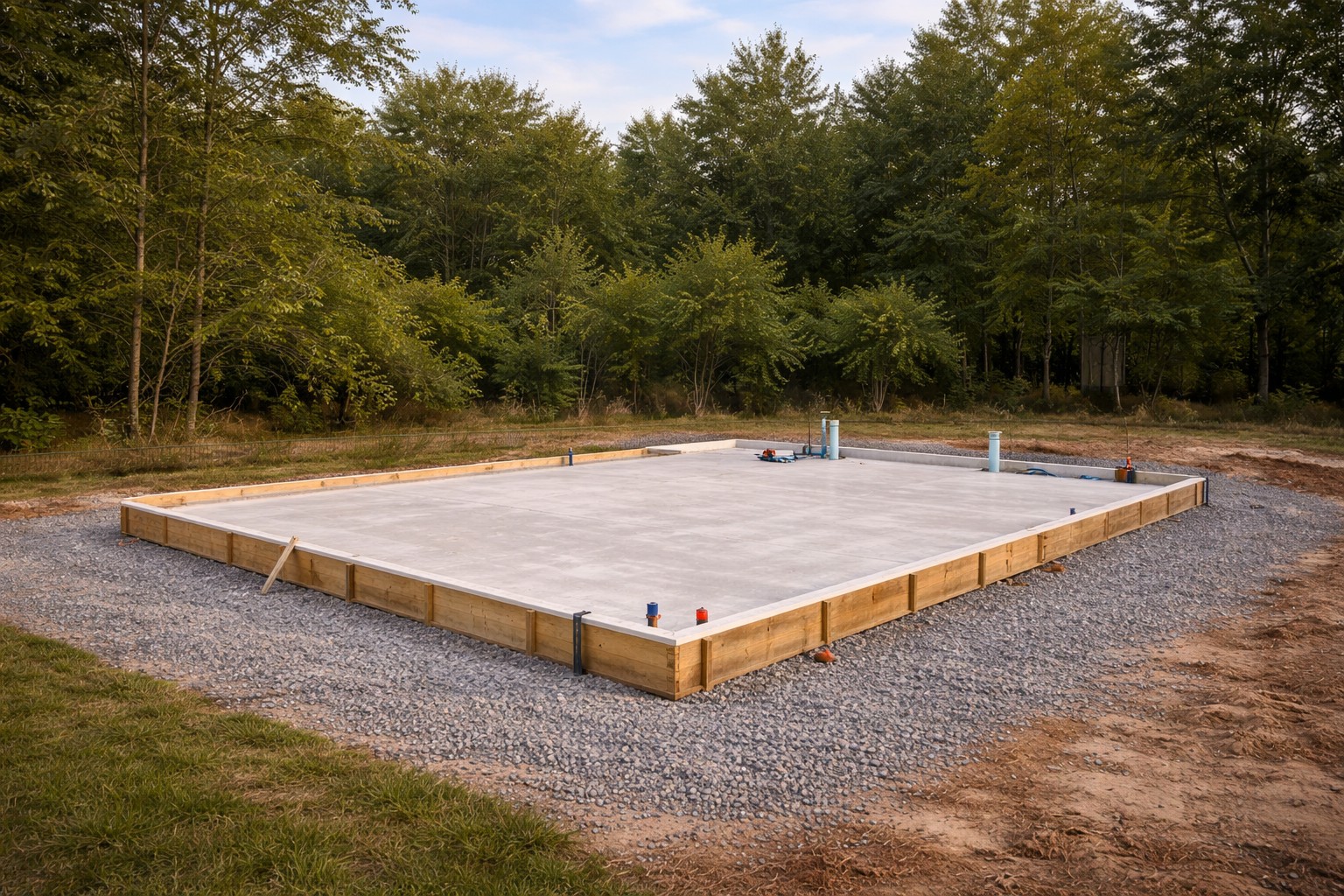
El último paso, y el más emocionante, es la instalación. Pero la emoción puede convertirse rápidamente en frustración si el terreno no está listo. El camión de reparto debe poder acceder a su propiedad. ¿Es la carretera lo suficientemente ancha? ¿Hay cables eléctricos o ramas de árboles que cuelguen a baja altura? Además, la grúa necesita una superficie estable y plana para instalarse y poder levantar la unidad de forma segura. Y lo más importante, la base debe estar perfectamente nivelada y construida según las especificaciones exactas que proporcionamos. Cualquier error en este punto puede causar problemas con las puertas, las ventanas e incluso con la integridad estructural de la unidad.
Una lección aprendida de un sitio desafiante.
Teníamos un cliente que estaba construyendo un refugio en una hermosa, pero empinada, ladera boscosa. Les encantó nuestro diseño, pero me preocupaba la entrega. Tuvimos varias videollamadas en las que recorrieron el terreno con su teléfono, mostrándome el estrecho camino de tierra y la ubicación propuesta. Determinamos que un camión grande no podría dar la última curva. Así que planeamos que la unidad se descargara al pie de la colina y luego se trasladara a su lugar con una grúa todoterreno más pequeña. Requirió planificación y costo adicionales, pero evitó un desastre el día de la entrega. Imagínense que el camión se atascara o que la grúa no tuviera un lugar seguro para operar.
Lista de verificación para la instalación en el sitio
- Acceso: ¿Está despejada la carretera de acceso al lugar para un camión grande (verifique el ancho, la altura y el radio de giro)?
- Cimentación: ¿Está completa, perfectamente nivelada y construida según los planos del proveedor?
- Plataforma para grúa: ¿Existe una zona plana y estable donde se pueda instalar la grúa?
- Mano de obra: ¿Ha contratado un equipo que sepa cómo recibir y conectar la unidad?
- Herramientas: ¿Tienes preparadas las herramientas, escaleras y equipos necesarios?
- Servicios públicos: ¿Están listos los puntos de conexión para agua, alcantarillado y electricidad?
¿Realmente funciona un mismo estándar de aislamiento para todos los climas?
Se suele asumir que una casa contenedor estándar será cómoda en cualquier lugar. Sin embargo, usar una unidad construida para un clima templado en una región muy cálida o fría provoca incomodidad y facturas de energía elevadas.
No, no es posible. La idoneidad del clima es crucial. El aislamiento y los materiales adecuados dependen completamente de la temperatura, la humedad y las condiciones climáticas de la zona. Una unidad para Canadá requiere especificaciones diferentes a una para Dubái. Usar un aislamiento inadecuado conlleva un rendimiento deficiente y altos costos de energía.

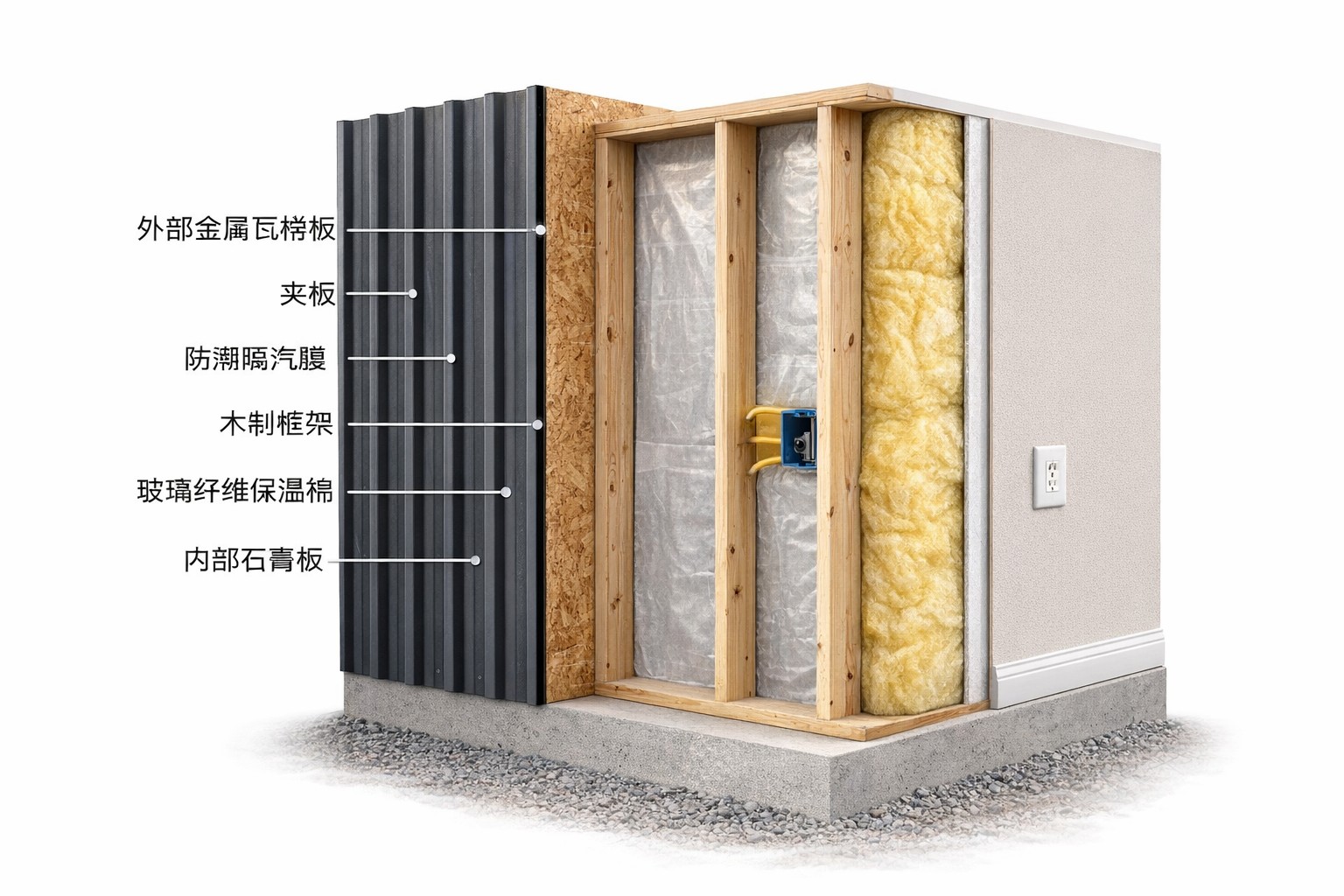
El metal es un excelente conductor del calor. Esto significa que una casa contenedor sin aislamiento o con un aislamiento deficiente será un horno en verano y una nevera en invierno. El aislamiento "estándar" que ofrecemos puede ser perfecto para un clima templado, pero es totalmente inadecuado para climas extremos. En este caso, no conviene escatimar. El aislamiento adecuado no solo le brindará comodidad, sino que también le permitirá ahorrar una gran cantidad de dinero en las facturas de calefacción y refrigeración durante la vida útil del edificio. Siempre preguntamos a nuestros clientes sobre el clima de su zona: las temperaturas máximas en verano y las mínimas en invierno.
Adaptando el aislamiento a su ubicación
Con frecuencia construimos viviendas para clientes en Australia y Nueva Zelanda. Para un proyecto en el clima cálido y húmedo de Queensland, utilizamos una combinación de aislamiento y un sistema de techo ventilado para combatir la entrada de calor. Sin embargo, para un proyecto en las frías montañas cerca de Queenstown, utilizamos paneles de pared mucho más gruesos y ventanas de doble acristalamiento de alto rendimiento para conservar el calor. Aplicar las especificaciones de Queensland en Queenstown resultaría en una cabaña helada e incómoda. Nuestro trabajo consiste en proporcionar la solución técnica adecuada para el entorno del cliente.
Opciones de materiales para el control climático
| Tipo de clima | Desafío clave | Aislamiento recomendado | Otras consideraciones |
|---|
| Frío y nevado | Pérdida de calor | GruesoLana de rocaoEspuma de poliuretano en aerosol(Valor R alto) | Ventanas de doble o triple acristalamiento, rotura de puente térmico. |
| Caluroso y seco | Ganancia de calor | Lámina reflectante, espuma proyectada, techo ventilado | Techo de color claro, ventanas sombreadas (voladizos). |
| Caluroso y húmedo | Calor y humedad | Espuma pulverizada de celda cerrada(actúa como barrera de vapor) | Deshumidificadoro aire acondicionado potente, materiales resistentes a la humedad. |
| Templado | Variación moderada | Paneles de lana de roca o espuma EPS/XPS (rendimiento equilibrado) | Ventanas de buena calidad y buen sellado contra la intemperie. |
¿Elegir materiales más baratos realmente te cuesta más a largo plazo?
Intentar ahorrar dinero con materiales más baratos puede parecer una buena idea al principio. Pero esto suele conllevar reparaciones frecuentes, poca durabilidad y una mala experiencia de usuario, lo que a la larga resulta más caro.
Sí, suele ser así. Si bien los materiales de bajo costo reducen el precio de compra inicial, pueden generar mayores gastos a largo plazo por mantenimiento, reparaciones y reemplazos. Invertir en materiales duraderos y de calidad mejora la vida útil, la satisfacción del usuario y protege su inversión, reduciendo el costo total de propiedad.

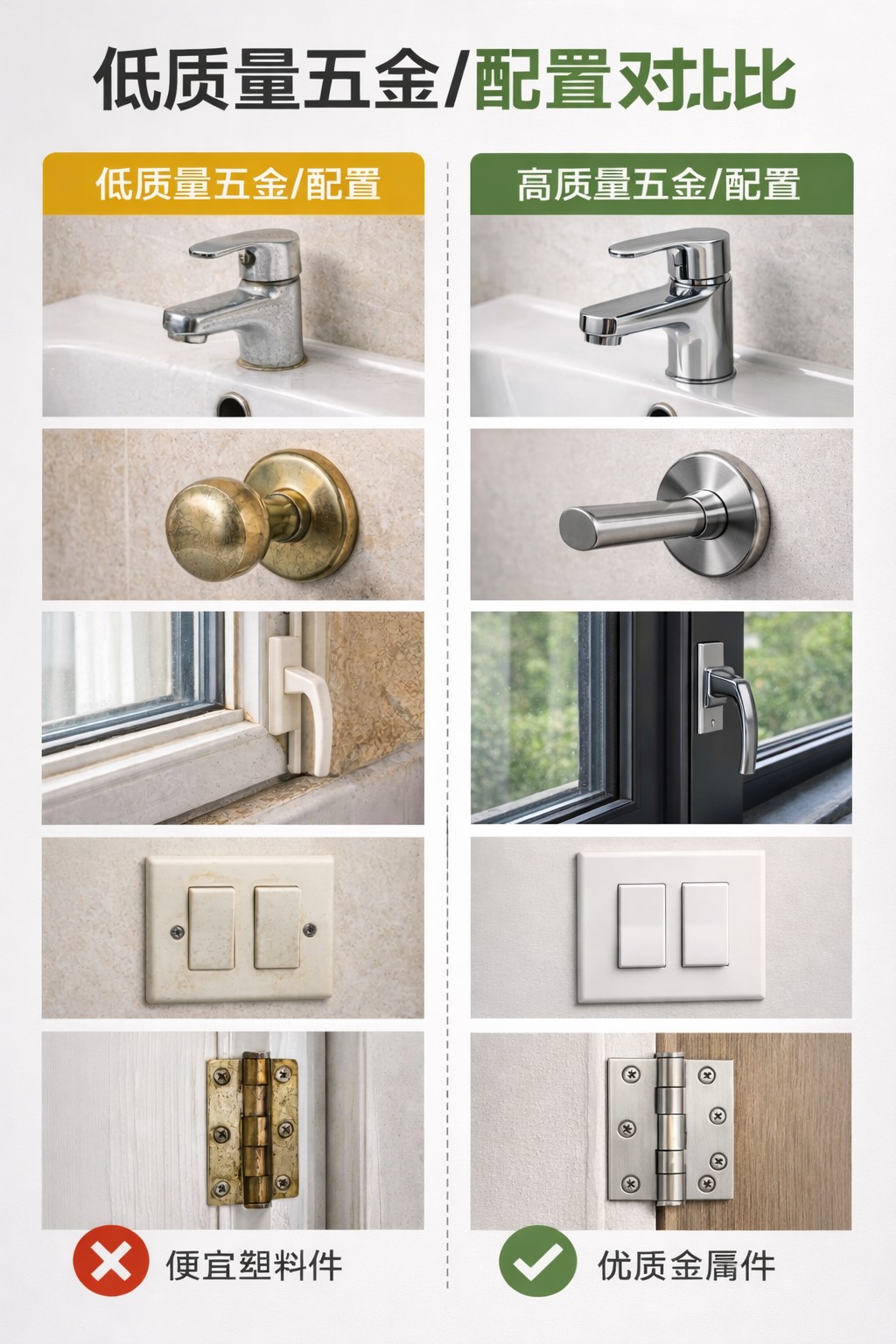
Resulta tentador ver un presupuesto y preguntarse: "¿Cómo podemos abaratarlo?". Siempre podemos encontrar maneras. Podríamos usar acero más delgado, ventanas más económicas, pisos laminados básicos en lugar de SPC duradero o grifería de menor calidad. Esto, sin duda, reducirá el precio inicial. Sin embargo, casi siempre es un error, especialmente en un proyecto comercial como una cabaña de alquiler o un hotel. Un grifo endeble que se rompe a los pocos meses, un piso que se raya fácilmente o una ventana con goteras le costarán mucho más en reparaciones, pérdida de ingresos por alquiler y malas reseñas de lo que ahorró inicialmente.
El verdadero coste de lo "barato"
Tuve un cliente que estaba desarrollando una serie de unidades de alquiler. Insistió en las opciones más económicas para maximizar su ganancia inicial. Un año después, me llamó. Estaba gastando una fortuna en mantenimiento. El piso se estaba descascarando, las bisagras de los gabinetes fallaban y la pintura se desconchaba. Para la siguiente fase del proyecto, eligió nuestro paquete de alta gama. Aprendió que, para un negocio de alquiler, la durabilidad no es un lujo, sino un requisito fundamental para la rentabilidad. El dinero que se invierte en materiales de calidad desde el principio se recupera gracias a un menor mantenimiento y clientes más satisfechos.
Ahorros a corto plazo frente a costes a largo plazo
| Componente | Opción más económica | Opción de mayor calidad | Resultado a largo plazo de la opción más económica |
|---|
| Piso | Laminado básico | Suelos SPC o LVP | Se raya con facilidad, es susceptible a daños por agua y necesita ser reemplazado pronto. |
| Windows | Aluminio de una sola hoja | Doble acristalamiento,Vinilo de baja emisividad/Aluminio | Facturas de energía elevadas, condensación, aislamiento acústico deficiente. |
| Ebanistería | Tablero de partículas de baja densidad | Contrachapado o MDF con buen acabado | Las bisagras se aflojan, las superficies se desconchan y son susceptibles a la humedad. |
| Accesorios | Plástico cromado básico | Latón macizo o acero inoxidable | Tiene fugas, se rompe fácilmente, el acabado se desgasta y requiere reemplazo frecuente. |
¿Cuándo beneficia la personalización a tu proyecto y cuándo la perjudica?
Quieres personalizar cada detalle para que quede perfecto. Pero los cambios excesivos o de última hora pueden generar confusión, retrasos en la producción y aumentar el riesgo de errores.
La personalización resulta beneficiosa cuando se planifica con antelación y se define claramente para satisfacer las necesidades específicas del proyecto. Sin embargo, se ve perjudicada cuando los cambios son frecuentes, poco claros o se introducen tarde en el proceso. Esto puede provocar fases de diseño prolongadas, retrasos en la producción y fallos de comunicación, poniendo en riesgo el cronograma del proyecto.
Una de nuestras mayores fortalezas es nuestra capacidad de personalización. Podemos modificar la distribución, reubicar ventanas y seleccionar diferentes materiales para adaptarnos perfectamente a la visión y las necesidades del cliente. Esto es fantástico cuando ayuda a que el proyecto se ajuste mejor al emplazamiento o al mercado objetivo. Sin embargo, la personalización también tiene su lado negativo. Cuando un cliente es indeciso o sigue realizando cambios una vez finalizado el diseño, puede generar un caos en todo el proyecto. Cada cambio, por pequeño que sea, requiere nuevos planos, listas de materiales actualizadas y ajustes en el cronograma de producción. Esto añade tiempo y aumenta la probabilidad de errores.
Nuestro proceso para una personalización sin problemas
La clave para una personalización exitosa reside en un proceso estructurado. Trabajamos con nuestros clientes durante la fase de diseño, donde exploramos todas las opciones. Creamos planos y representaciones, y los revisamos hasta que el cliente esté completamente satisfecho. Finalmente, les solicitamos la aprobación de los planos definitivos. Este momento crucial es fundamental, ya que indica que nuestro equipo de producción puede tomar el control y fabricar exactamente lo que se muestra en el diseño. Un cliente que desea cambiar la ubicación de una ventana una vez que el panel de pared ya está fabricado genera retrasos y costos significativos. Somos flexibles, pero también rigurosos para proteger el cronograma y el presupuesto del proyecto.
Estándar vs. Personalizado: Las ventajas y desventajas
| Aspecto | Modelo estándar | Modelo totalmente personalizado |
|---|
| Ventajas | Entrega más rápida, menor coste, diseño probado. | Diseñado exclusivamente y adaptado perfectamente a tus necesidades. |
| Desventajas | Puede que no sea la opción perfecta para su uso específico. | Mayor tiempo de diseño/producción, mayor coste, riesgo de errores con los cambios. |
| Lo mejor para | Proyectos que requieren rapidez y rentabilidad. | Proyectos únicos con requisitos específicos de emplazamiento o marca. |
¿Es más importante el producto en sí que el proveedor que elijas?
Te centras únicamente en las especificaciones y el precio del producto. Pero ¿qué ocurre si el proveedor tiene una mala comunicación, incumple los plazos de entrega o envía un producto mal embalado? Un mal socio puede arruinar un buen producto.
No, son igualmente importantes. Un proveedor confiable garantiza una comunicación clara, una producción precisa, un control de calidad adecuado, un embalaje seguro y una logística de exportación fluida. Un excelente producto de un proveedor poco confiable puede ocasionar retrasos, daños y una frustración constante. La capacidad de su socio es clave para el éxito.
He visto casos similares. Un comprador encuentra un proveedor con un precio muy bajo y un producto de aspecto decente. Realiza el pedido y entonces empiezan los problemas. Los correos electrónicos quedan sin respuesta durante días. El plazo de producción se retrasa constantemente. Cuando finalmente se envía el producto, está mal embalado y llega con ventanas rotas y paredes rayadas. El comprador ahorró un 10 % en el precio, pero terminó con un producto dañado, un proyecto retrasado y un gran quebradero de cabeza. El producto es solo una parte del proyecto. El servicio, la comunicación y la experiencia del proveedor son fundamentales para el éxito del mismo.
¿Qué hace que un proveedor sea "confiable"?
Un buen proveedor es un socio, no solo un vendedor. Debe sentirse como una extensión de su propio equipo. Se comunica de forma clara y proactiva. Cuenta con un riguroso proceso de control de calidad y no tiene reparos en mostrarle fotos y vídeos del proceso de fabricación e inspección de su unidad. Entiende el transporte marítimo internacional y sabe cómo embalar una unidad para que resista un largo viaje por mar. El año pasado, tuvimos un cliente muy preocupado por el envío. Por eso, para su pedido, grabamos vídeos detallados de todo el proceso de carga, mostrando cómo se aseguraba cada artículo dentro del contenedor. Esto le dio una tranquilidad increíble.
Lista de verificación para la evaluación de proveedores
- Comunicación: ¿Responden con rapidez y claridad? ¿Hablan bien tu idioma?
- Experiencia: ¿Pueden mostrarle ejemplos de proyectos similares que hayan exportado a su región?
- Transparencia: ¿Están dispuestos a compartir actualizaciones de producción, fotos e informes de inspección?
- Control de calidad: ¿Disponen de un proceso de control de calidad claro?
- Embalaje y logística: ¿Tienen experiencia en embalaje y carga para exportación?
¿Por qué la oferta más barata suele ser la opción más cara?
Ese precio tan bajo resulta increíblemente tentador. Sin embargo, a menudo oculta materiales de mala calidad, recortes en los estándares y una atención posventa inexistente, lo que conlleva costes mucho mayores a largo plazo.
El presupuesto más económico suele implicar concesiones en la calidad de los materiales, los estándares de construcción, el aislamiento o los servicios incluidos. Esto conlleva mayores costes a largo plazo en mantenimiento, reparaciones y consumo energético. La mejor opción es aquella que ofrece el mayor valor global, equilibrando precio con calidad, durabilidad y soporte del proveedor.
Este último punto lo resume todo. Un comprador experimentado sabe que el precio del presupuesto no es el costo final. El costo real incluye mantenimiento, reparaciones, facturas de energía y el costo de su propio tiempo y el estrés que implica lidiar con los problemas. Un presupuesto un 20 % más bajo que los demás debería ser una señal de alerta, no un motivo de celebración. ¿De dónde salió ese 20 %? Casi con seguridad, de usar acero más delgado, menos aislamiento, ventanas más baratas o despedir al equipo de control de calidad. Le garantizo que pagará por ese ahorro del 20 % más adelante.
Más allá del precio unitario
Al comparar presupuestos, es fundamental comparar qué incluyen realmente. ¿El precio corresponde al mismo nivel de aislamiento? ¿A la misma calidad de ventanas? ¿Al mismo tipo de suelo? ¿Ofrece un proveedor una supervisión detallada de la carga, mientras que el otro simplemente envía el producto directamente desde la fábrica? El objetivo no es encontrar el precio más bajo, sino la mejor relación calidad-precio. Esta relación calidad-precio se compone de un precio justo, buena calidad, un producto duradero y un socio fiable que le acompañe durante todo el proceso. Esto es lo que garantiza el éxito del proyecto y una buena rentabilidad de su inversión.
| Factor | La cita "barata" | La cita sobre el "valor" |
|---|
| Materiales | Utiliza las opciones de menor coste disponibles. | Equilibra el coste con la durabilidad y el rendimiento. |
| Aislamiento | Mínimas o inadecuadas para el clima. | Especificado correctamente para la ubicación del cliente. |
| Control de calidad | Limitado o inexistente. | Proceso de inspección multipunto con informes. |
| Servicio | Comunicación lenta, soporte limitado. | Comunicación proactiva, enfoque de colaboración. |
| Costo a largo plazo | Altos costes (reparaciones, facturas de energía, sustitución prematura). | Bajo consumo (mantenimiento mínimo, eficiente, larga vida útil). |
Conclusión
En definitiva, el éxito de un proyecto no depende del precio más bajo, sino de la adecuación total del proyecto, la eficiencia en la entrega y el valor a largo plazo. Elija un socio que cumpla con estos tres requisitos.